Plantain Meal 1: Caribbean Pork & Plantain Hash

Caribbean Plantain & Hash

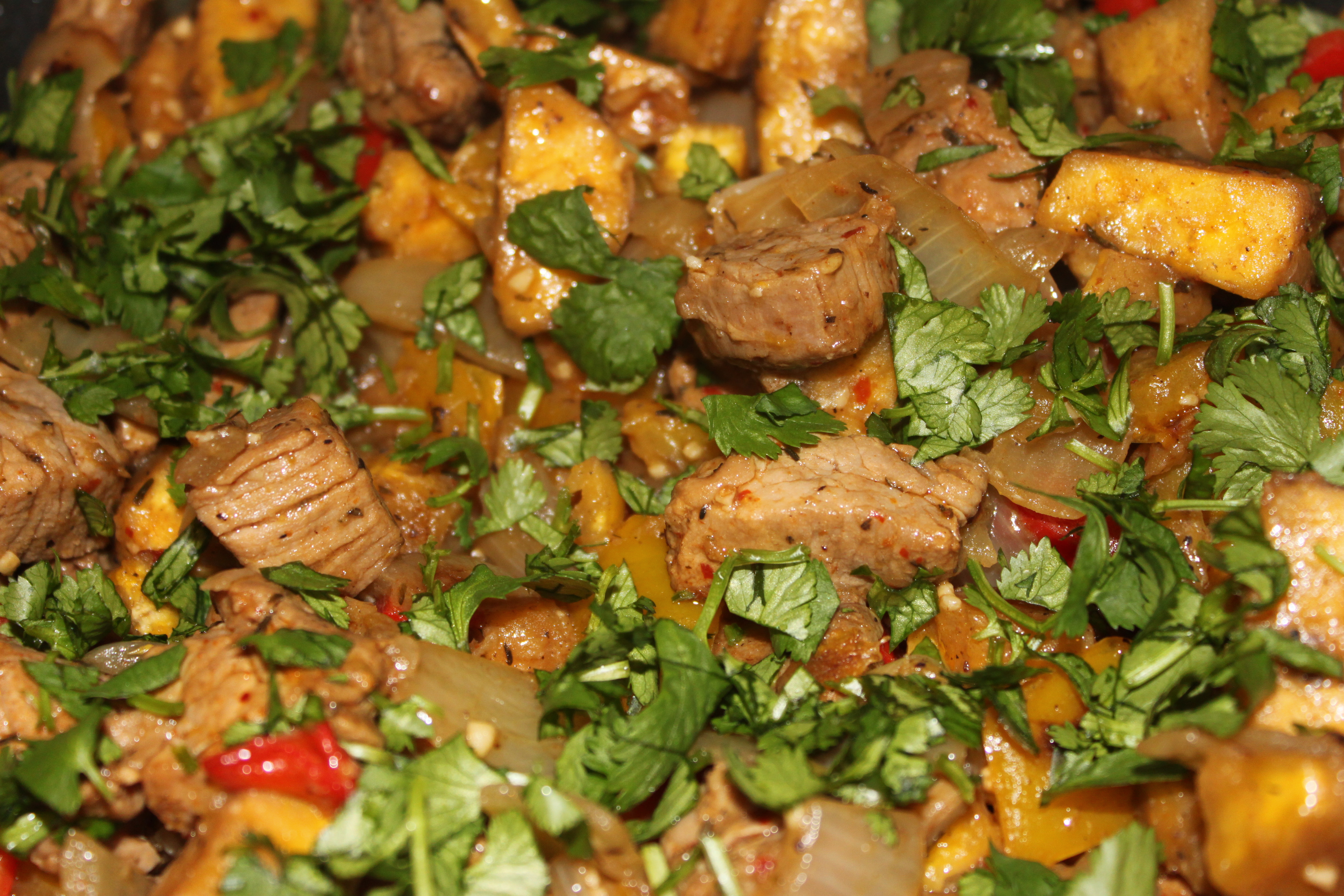
Our first plantain meal was Cooking Light’s Caribbean Pork & Plantain Hash.  It was good, however, we used much less-ripe plantains than we were supposed to, since that’s what they had at MacPherson’s.  I would recommend to use ripe plantains for this meal.  I would also recommend against eating a raw plantain.  They taste horrible.  It’s a very overwhelming starch that turns your entire mouth dry.  No good.

Anyway, try this dish, but with ripe plantains… (We added red beans and rice and it was very tasty!)
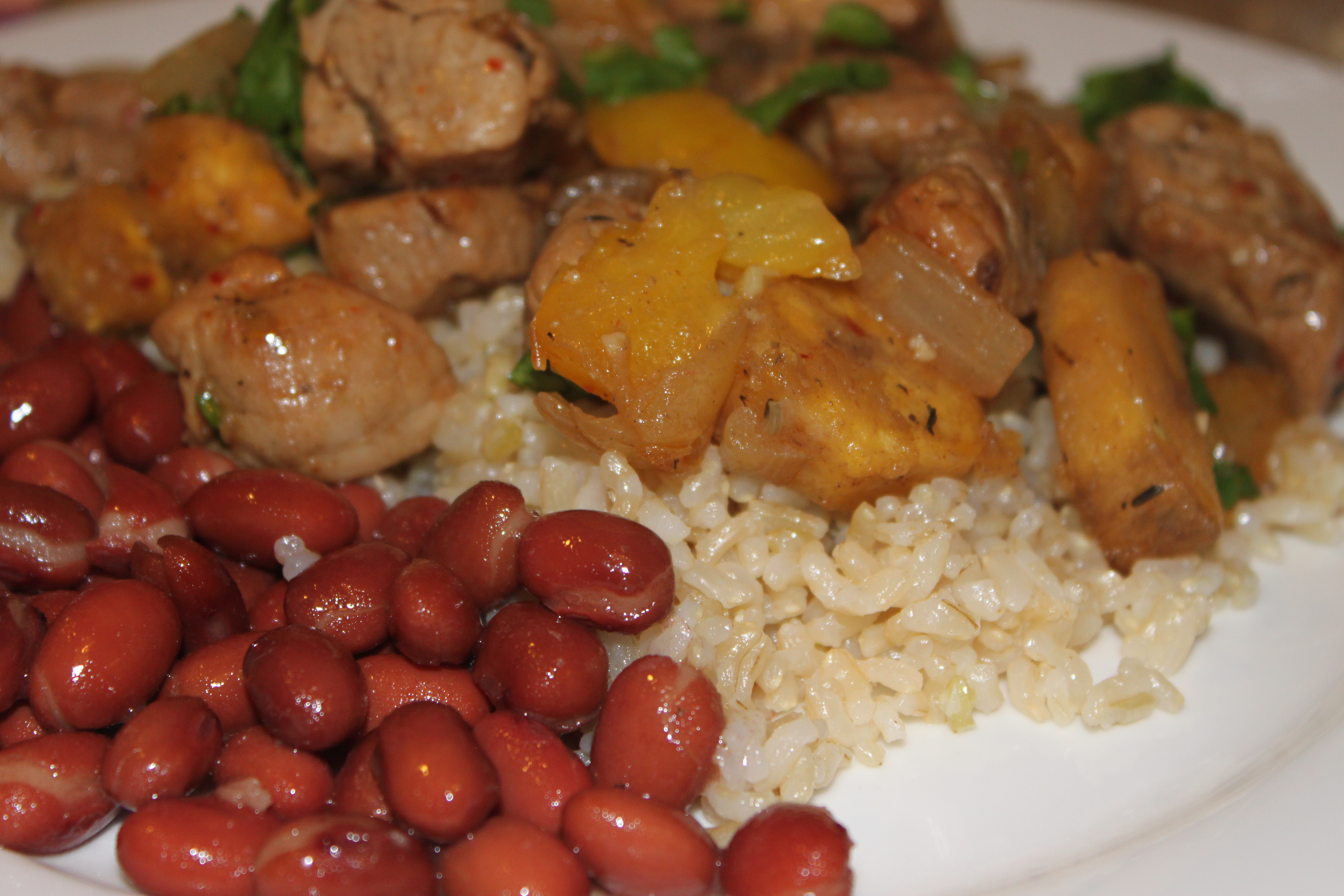
The full meal.
Week 5: Plantains

Ooooh… Plantains!

Week 5: Plantains!

From Wikipedia:

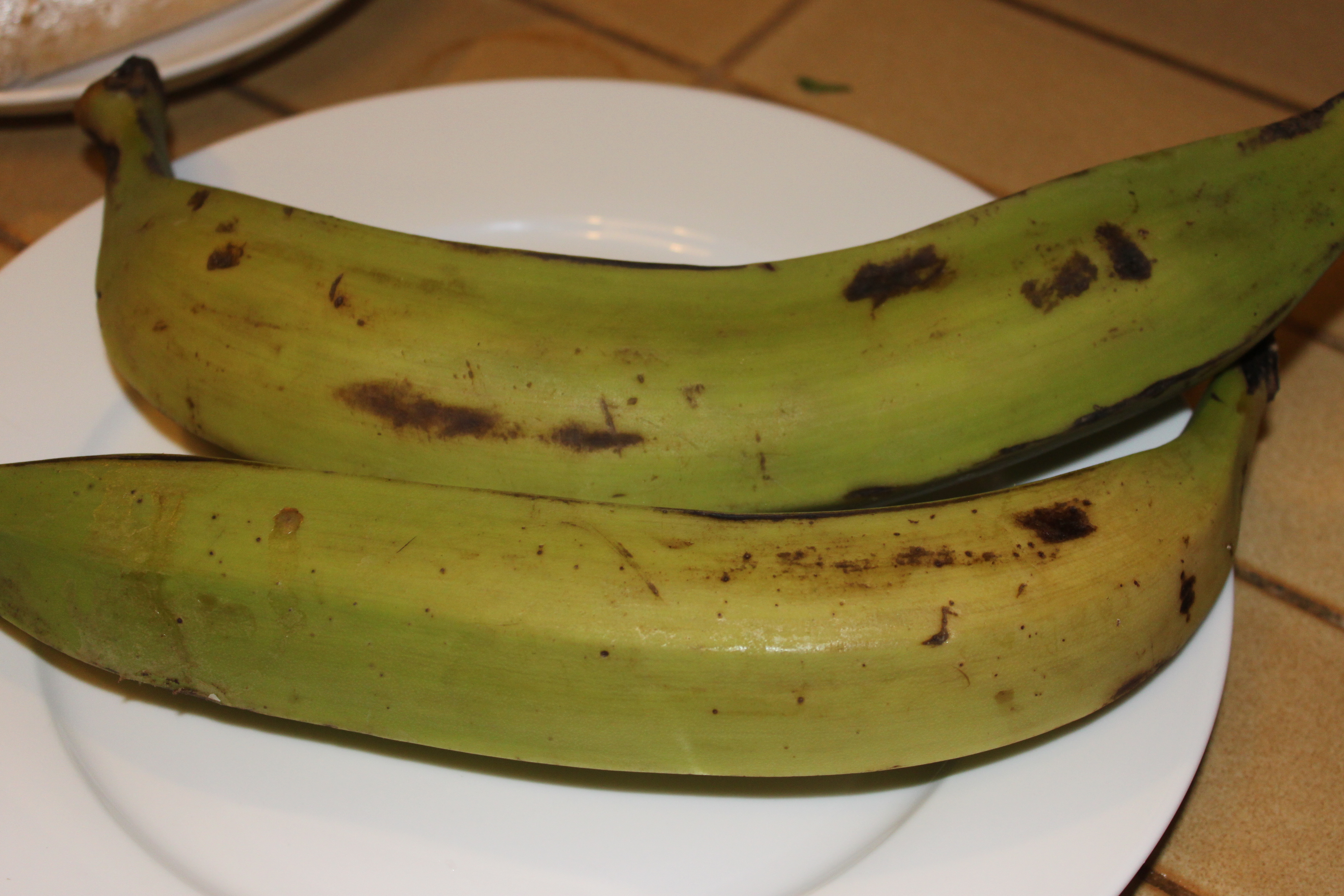
Plantain tends to be firmer and lower in sugar content than “dessert” bananas. Bananas are almost always eaten raw, while plantains tend to be cooked or otherwise processed, and are used either when green or unripe (and therefore starchy) or overripe (and therefore sweet). 

Here we go…

Mint Meal 4: Steamed Mussels with Cardamom, Orange and Mint

ACK!  I’m sorry it’s been so long since I’ve posted!  I’m officially a week behind.  (Only in posting, not in cooking and enjoying…)

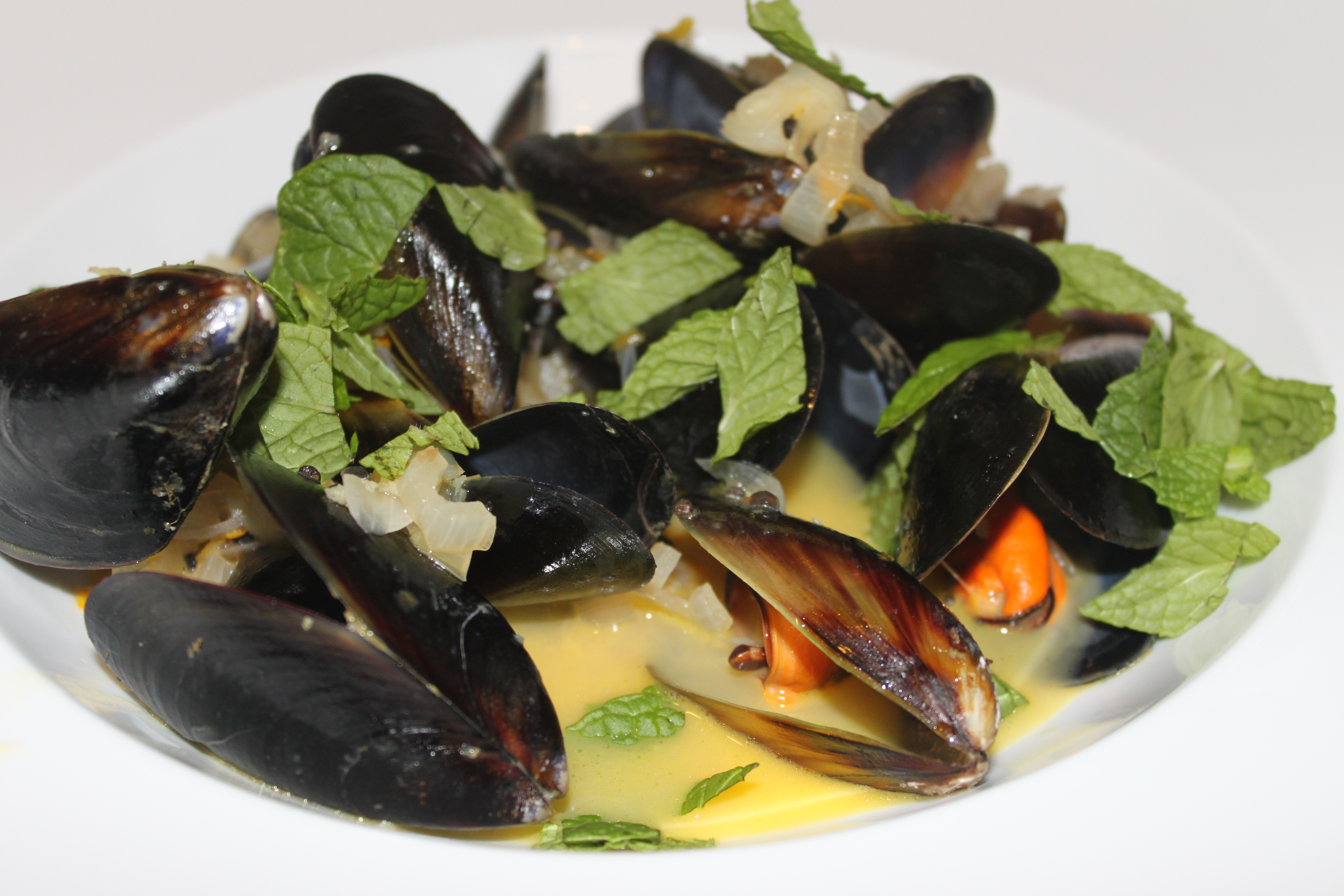
For our fourth and final mint meal, we made Steamed Mussels with Cardamom, Orange and Mint from Cooking Light.  Man, it was good.  We enjoyed the mussels with a baguette and some steamed asparagus.

Brandon and I love to visit the Pike Place Market on the weekends and this past weekend we stopped in at Pike Place Fish and MarketSpice for ingredients for this meal.  Brandon picked up the mussels while I picked out the cardamom.  I didn’t realize there were options for cardamom– pods, seeds, ground– and of course didn’t write down which one we needed.  So, I bought a little of each!  Cardamom is a new spice to me and it’s quite good– and quite expensive.  I have plenty of extra, so expect it to reappear in a few weeks as one of our new ingredients.

I highly recommend this recipe and mint as a very versatile, delicious and healthy (maybe?) ingredient to use in your cooking!  ENJOY!!

Mint Meal 4: Mussels

Mint Meal 3: Greek Salad

Yummy, yummy Greek salad

Our third (but really second…) mint meal was a delicious Greek salad.  We also had potatoes and chicken (with oregano and salt and pepper) with the Greek salad.

My Greek salad dressing making skills needed some assistance, so I took to the internet for some tips.  I found the perfect and uber-delicious dressing mix on the Pioneer Woman Cooks blog.

The dressing included:

  • 1/4 cup Olive Oil  Duh! Hadn’t crossed my mind before…
  • 2 Tablespoons Red Wine Vinegar I usually use way too much vinegar
  • 1 teaspoon Sugar (more To Taste)  Didn’t think of this either
  • 1 clove Garlic, Minced  A first on the garlic too…You’d think I’ve never made Greek salad before…
  • 6 whole Kalamata Olives (extra), Chopped Fine  Genius! Why hadn’t I thought of this?!
  • 1/4 teaspoon Salt
  • Freshly Ground Black Pepper
  • 1 whole Lemon, For Squeezing

I HIGHLY recommend the Pioneer Woman’s Greek salad.  It’s so, so good!!

PLEASE NOTE: I did not include lettuce in my Greek salad like the Pioneer Woman does, but I’m sure it’s delicious with or without the lettuce.

Mint Meal 2: Flank Steak with Thai Summer Salad

It’s the middle of winter, but there is no better time to grill a steak and enjoy a refreshing summer salad.  I found the recipe on the Whole Foods website and discovered a really great recipe database.

Flank steak and Thai summer salad

The steak marinade included:

  • Lime juice
  • Hoisin sauce (instead of fish sauce)
  • Reduced-sodium soy sauce
  • Sugar
  • Chopped shallot

The summer salad included:

  • Baby bok choy
  • Radishes
  • Cucumber
  • Carrots
  • Fresh basil leaves
  • Fresh mint leaves
  • Fresh cilantro leaves

It was so, so good!  We paired the steak and salad with some potatoes and the whole meal was quite tasty as leftovers.  Expect this to be a regular on our menus once the weather warms up!

Week 4: Mint

Week 4: MINT

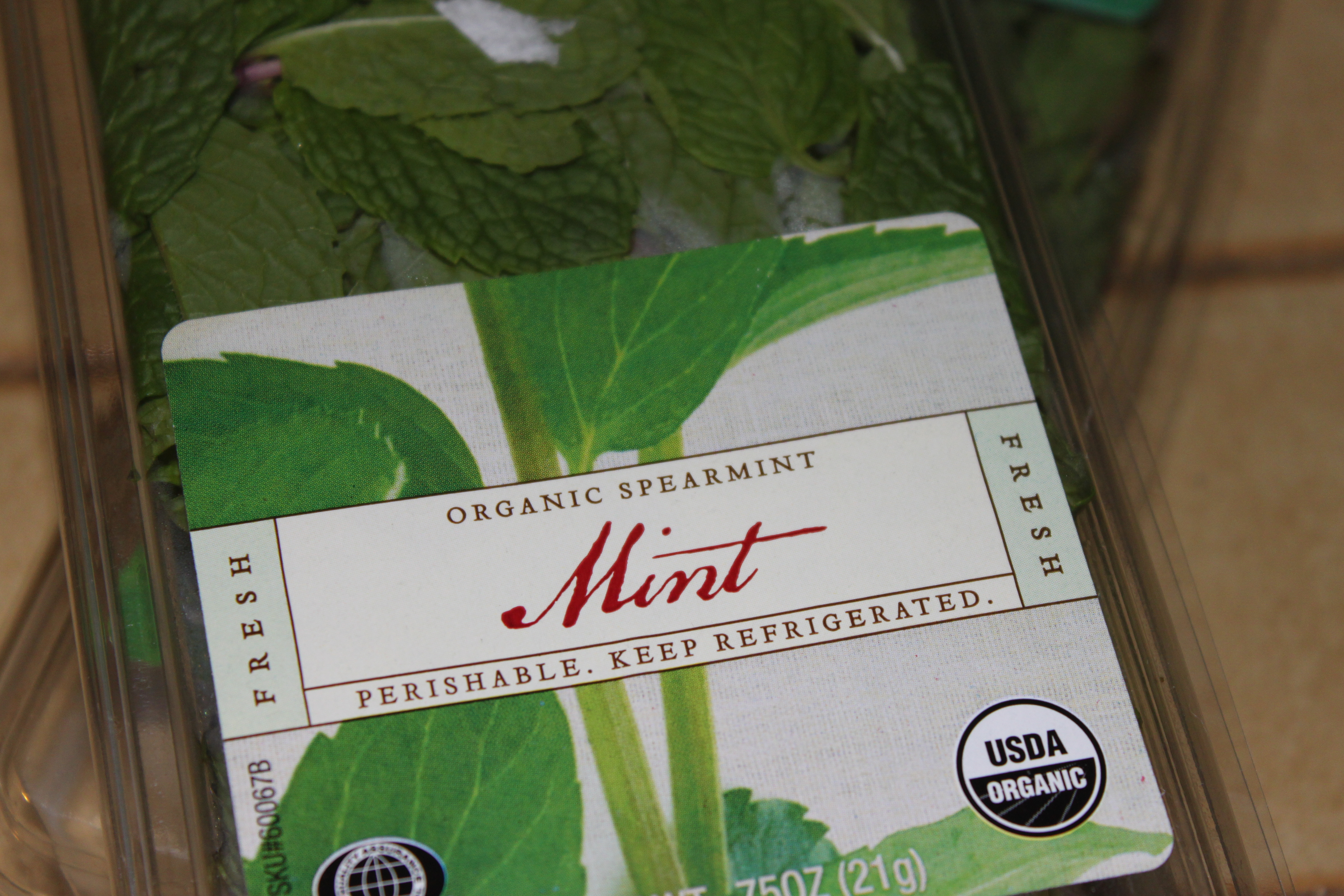
The next adventure ingredient is… MINT!  Thanks, Krissie for the suggestion!

I realized that I’m not really a fan of delicata squash (or butternut squash), so this week’s ingredient is VERY welcome!

We’ve got some great ideas for this week… Check back soon!

Delicata Squash Meal 2: Squash with Mushrooms and Quinoa

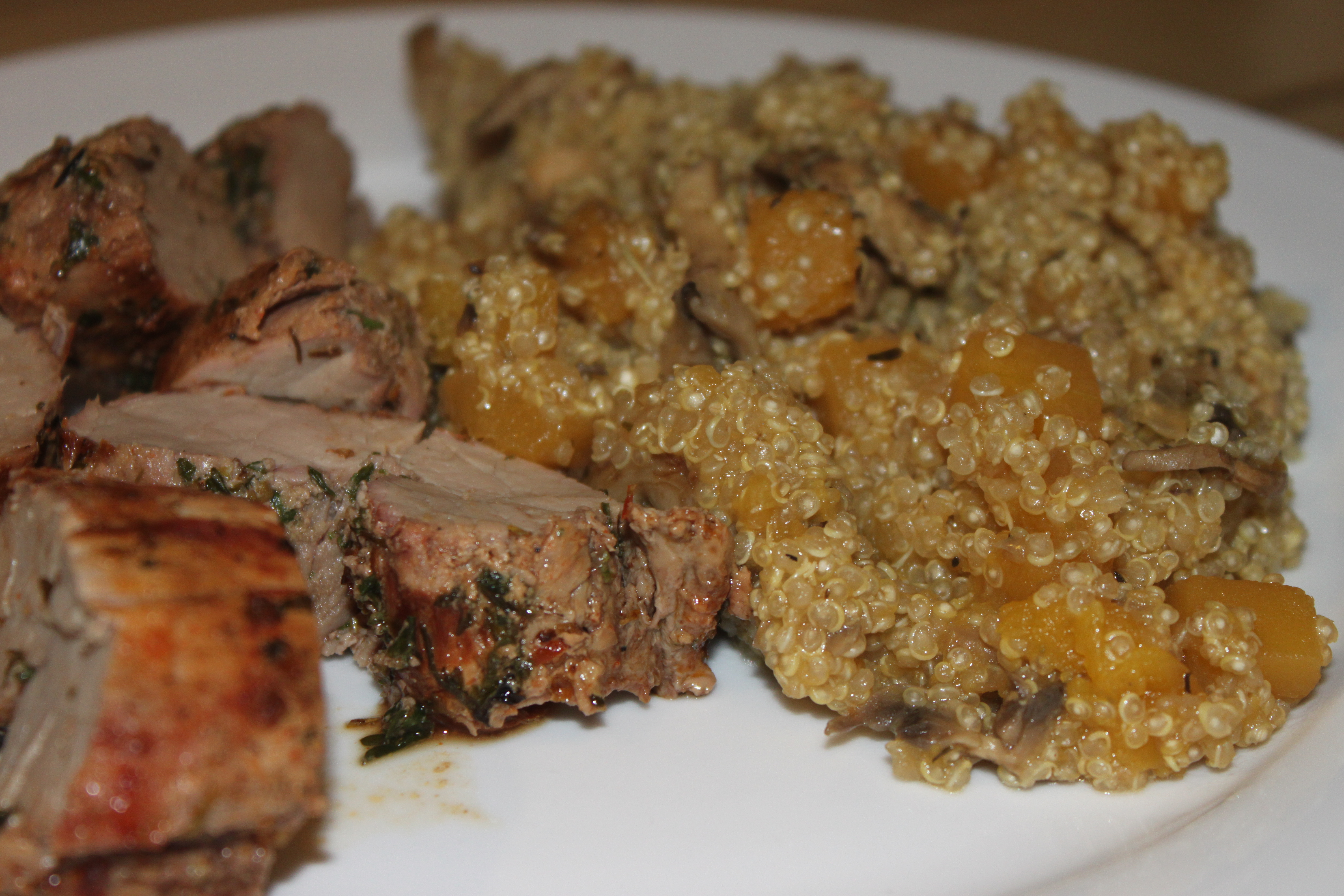
We made another squash dish — it was ugly, but it was good — and paired it with pork tenderloin.  Brandon created a unique and kind of spicy (I’m a spice wuss) rub for the pork tenderloin and I was in charge of the squash dish.

I took a recipe that looked good and then substituted ingredients that we had around the house:

  • Quinoa
  • White mushrooms
  • Dried thyme
  • Minced onion
  • Delicata squash, peeled, seeded, and cut into small cubes
  • Chicken broth

Pork tenderloin and quinoa with mushrooms and delicata squash

Delicata Squash Meal 1: Roasted Squash

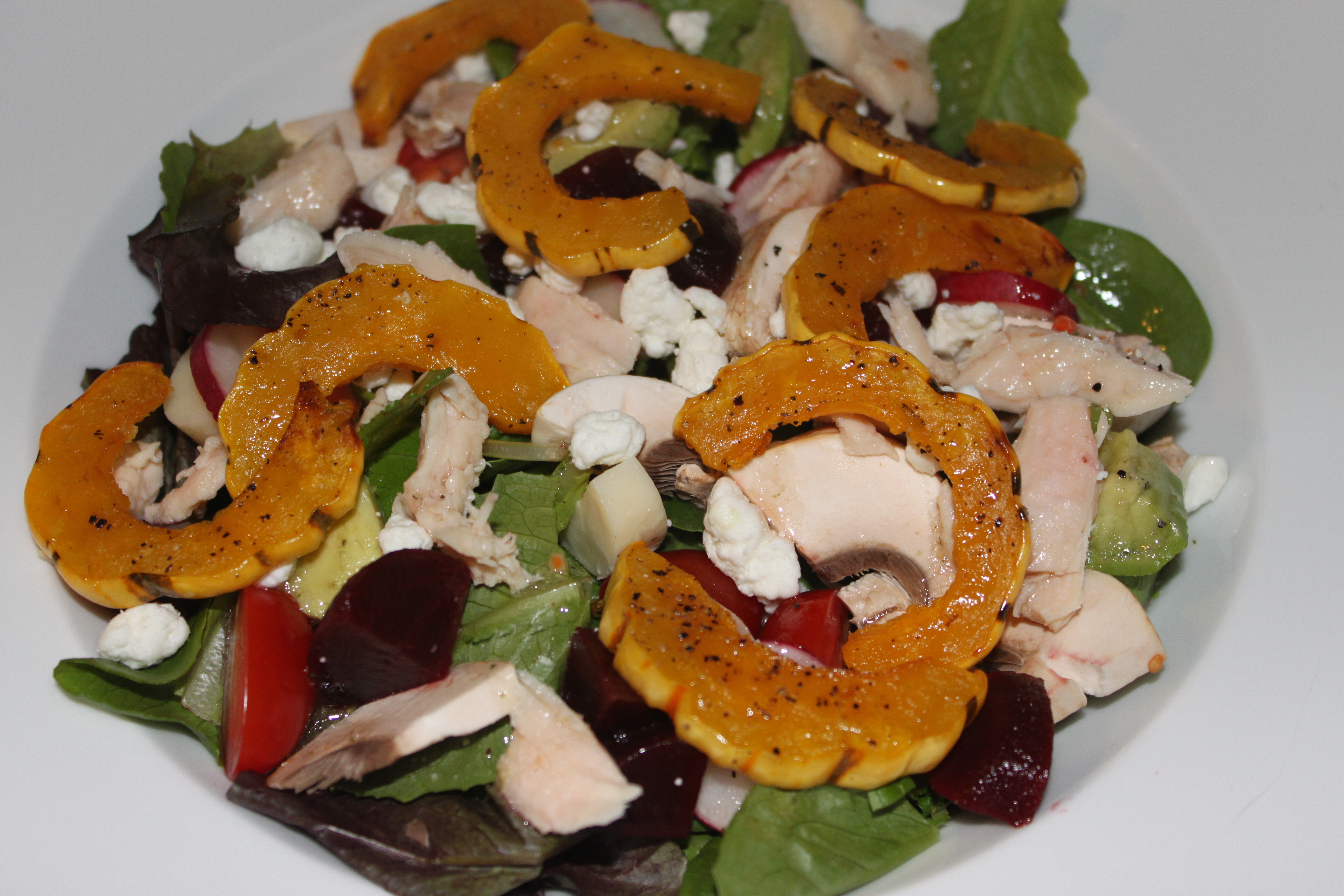
For our first delicata squash meal, I cut and roasted the squash and added it on a super-sized salad.  All-in-all, pretty tasty!

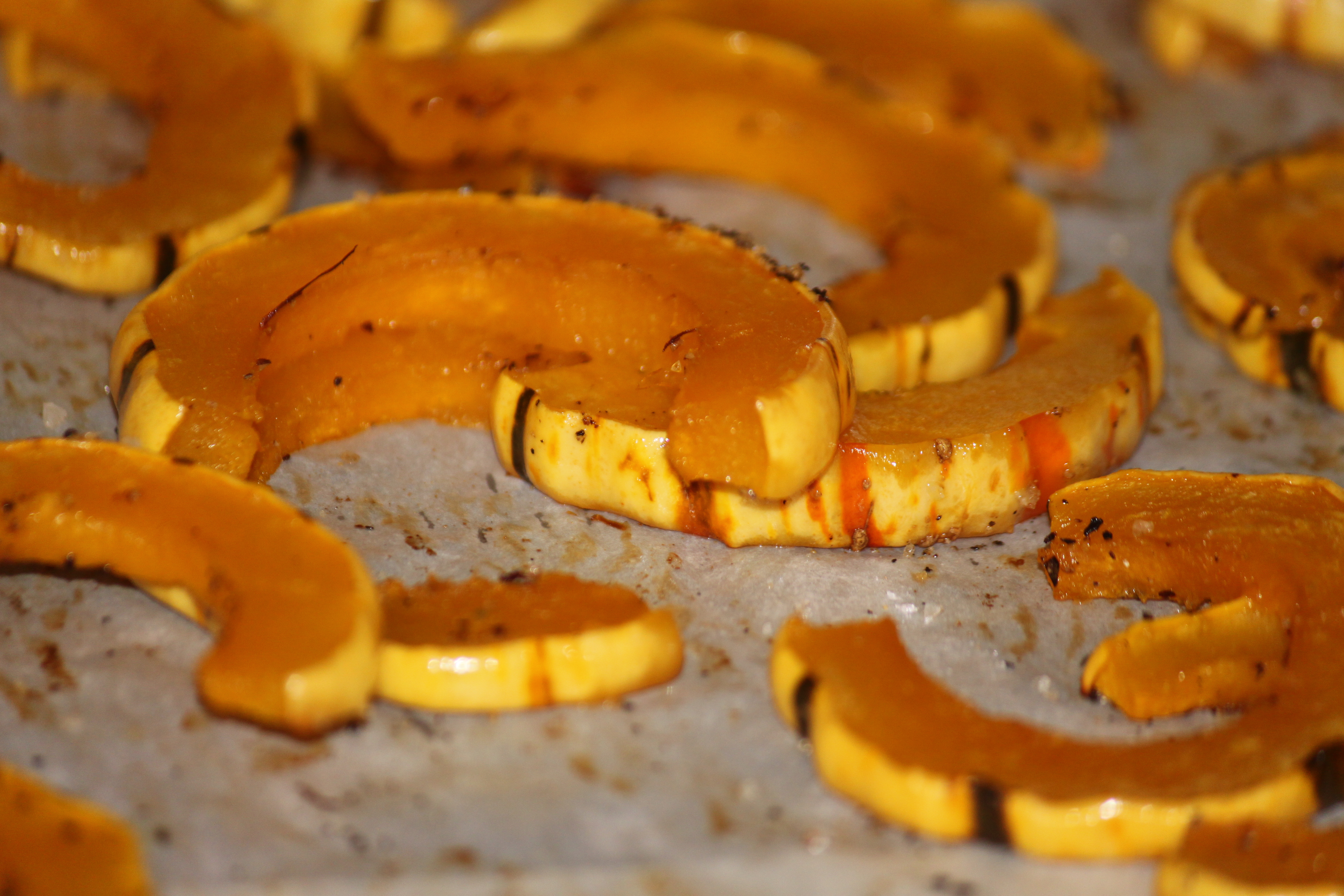
Roasted squash

Preheat oven to 400F.  Wash and trim the ends, cut the squash in half and clean out the seeds.  Slice the squash in 1/2″ strips and coat with olive oil and salt and pepper. Roast for about 20 minutes and VOILA! squash strips. 

Our super salads with squash

Week 3: Delicata Squash

Thank you to Molly for our ingredient of the week: Delicata squash! 

Week 3: Delicata Squash

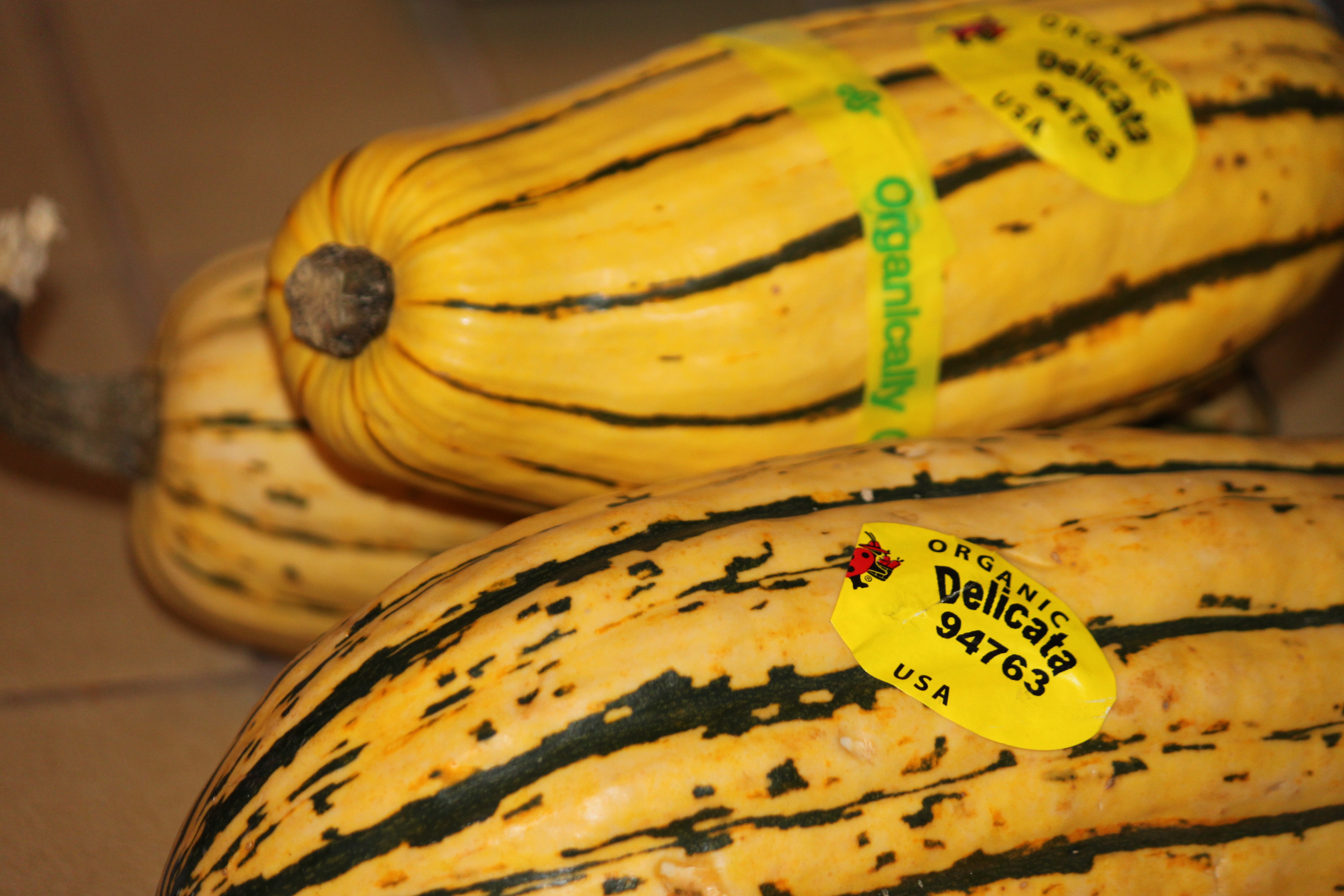
From Wikipedia: This squash is a winter squash with distinctive longitudinal dark green stripes on a yellow or cream colored background and sweet, orange-yellow flesh. It is also known as the peanut squash, Bohemian squash, or sweet potato squash.  Although considered a winter squash, delicata squash belongs to the same species as all types of summer squash, including zucchini and yellow crookneck squash.

Delicata squash is most commonly baked, but can also be microwaved, sautéed or steamed. It may be stuffed with meat or vegetable mixtures. The seeds of the squash are also eaten, usually after being toasted. This squash is not as rich in beta-carotene as other winter squashes, but is a good source of dietary fiber and potassium, as well as smaller amounts of vitamins C and B, magnesium, and manganese.

We found some great recipes to try out!  Check back soon…